Decolonizing Russia: A Closer Look (Part 1)
Adel Bashqawi
July 03, 2024
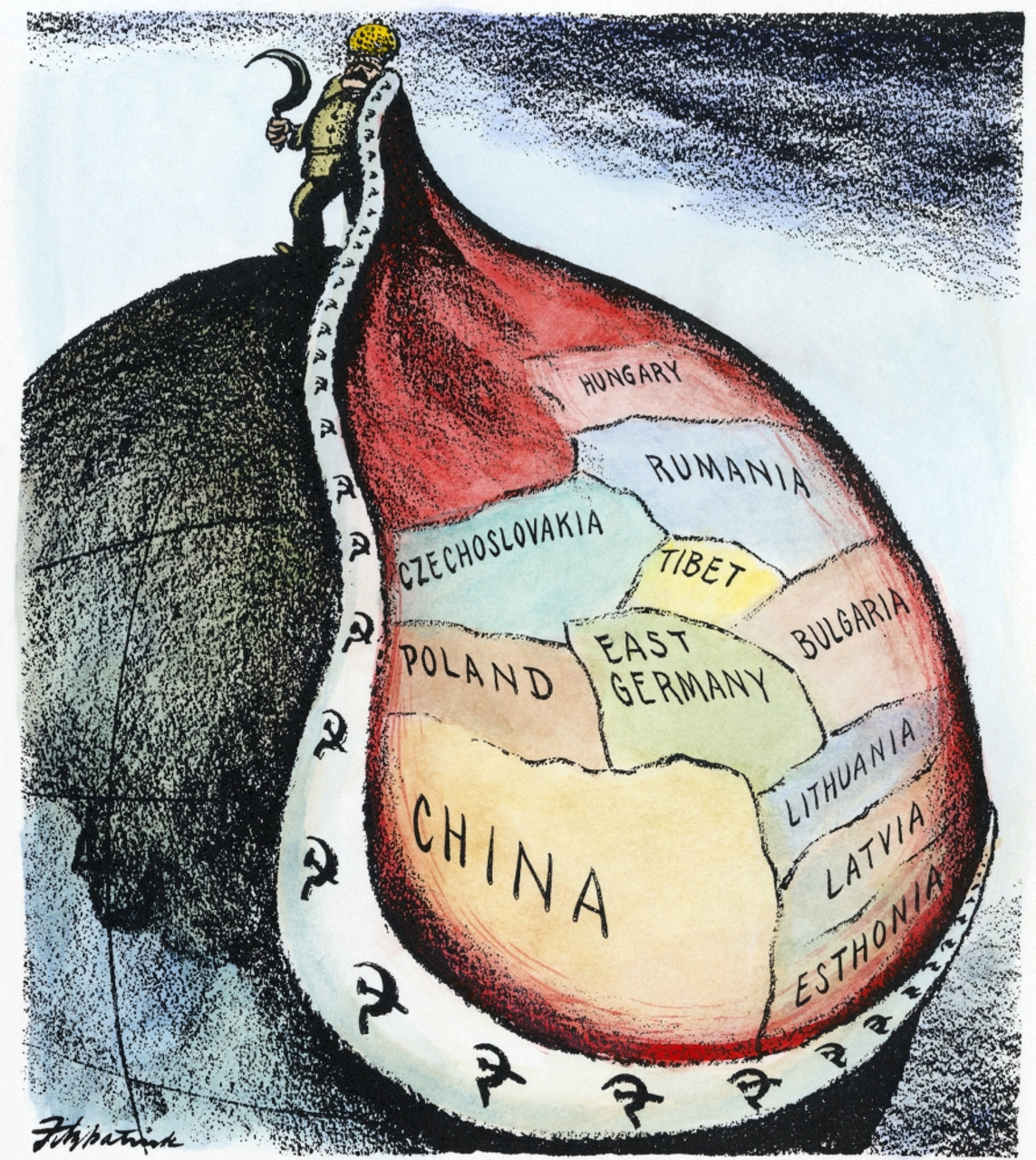

This group is devoted to elaborate on obtaining long lasted missing justice for the nations of the North Caucasus. It is also dedicated to concentrate on human rights issues that had been abducted when the invaders conquered and colonized the region.

Decolonizing Russia: A Closer Look (Part 1)
Adel Bashqawi
July 03, 2024
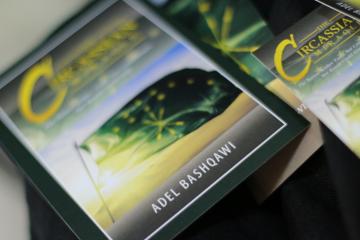
პოლ გობლი: კიდევ ერთი ნაბიჯი ჩერქეზული ოცნების რეალიზაციისკენ
პუბლიკაცია: ევრაზიის ყოველდღიური მონიტორინგის N17 ტომი, გამოცემა: მე-16
ბალახის ერთი ღერო, რაც არ უნდა პატარა იყოს იგი, ისევე დაამსხვრევს აუცილებლად ბეტონის ბილიკს (რა სისქისა არ უნდა იყოს), როგორც, დღეს ჩერქეზი ერი ძლევს რეპრესიებისა და ბატონობის გრძელ რუსულ ისტორიას. რუსეთთან სამი საუკუნის წინ დაწყებული კონტაქტის შემდგომ, ჩერქეზი ერი მუდმივად აღწევდა იმას, რაც ხშირად შეუძლებელი გვეგონა: არა მხოლოდ ეროვნული გადარჩენა, არამედ ეროვნული გამარჯვების შესაძლებლობა ჩერქეზული იდენტობის კვლავ შეფასებისა და მოთხოვნა, მათი სამშობლოში დაბრუნებისა. ჩერქეზი მწერლისა და აქტივისტის ადელ ბაშქავის ახალი გამოკვლევა ყურადღებას ამახვილებს ამ დინამიკურ ტენდენციაზე, რომელიც მოიცავს მის თანამემაულეებს (ეთნიკურ ჩერქეზებს) რუსეთსა და მთელი მსოფლიოს დიასპორებში. Read more
მიხეილ ღანიშაშვილი
ჩერქეზის ცეკვა (Circassian dance)
ხმალ-და-ხმალ გამოტარებულ
წარსულს მოცეკვავს ადიღე,
ჰანგები, ხმალთა ელვარი –
მე თარგამოსის ხმად ვიღე!
შვიდ ისრად გამოითალა
მამა-პაპური მათი ხე,
შვიდი ხმლით შვიდი რაინდი
სამყაროს მკერდზე გადიხევს.
ГЪАНИШАШВИЛИ МИХАИЛ
АДЫГЭМ ИКЪАШЪУ
Блэк1ыгъэр адыгэм къашъок1э къеш1э,
Къэмапэк1э къыгъэсыгъэр джы нэс,
Мэкъамэм, сэшхом илыд къырегъэш1ы,
Пэсэш1ы, шъыу, ар ымакъэ Таргамос! Read more
პირველად რუსი ეკვეთა ჩერქეზს,
როს კავკასიონს დაადგა თვალი,
კლდეზე არწივთა ბუდე გაქექეს
და დადგა მთებში ომის ზამთარი.
დიდხანს გაგრძელდა ეს უსამართლო,
უთანასწორო ბრძოლის მარაბდა, Read more

**FOR IMMEDIATE RELEASE**
EDITORS: For review copies or interview requests, contact:
Marketing Services
Tel: 888-795-4274
Fax: 812-355-4079
Email: MarketingServices(at)xlibris(dot)com
(When requesting a review copy, please provide a street address.) Read more